From Place
to Category
A new model for destination design
Invitation-only virtual workshop · MARCH 2026 · Limited seats

.jpg)
Casa Tierra
Palm Desert, CA
A soulful, immersive desert escape where design, place and experience align.

Menizei
Olympic Peninsula, WA
An intimate forest retreat designed to honor ritual, rest, and reconnection.
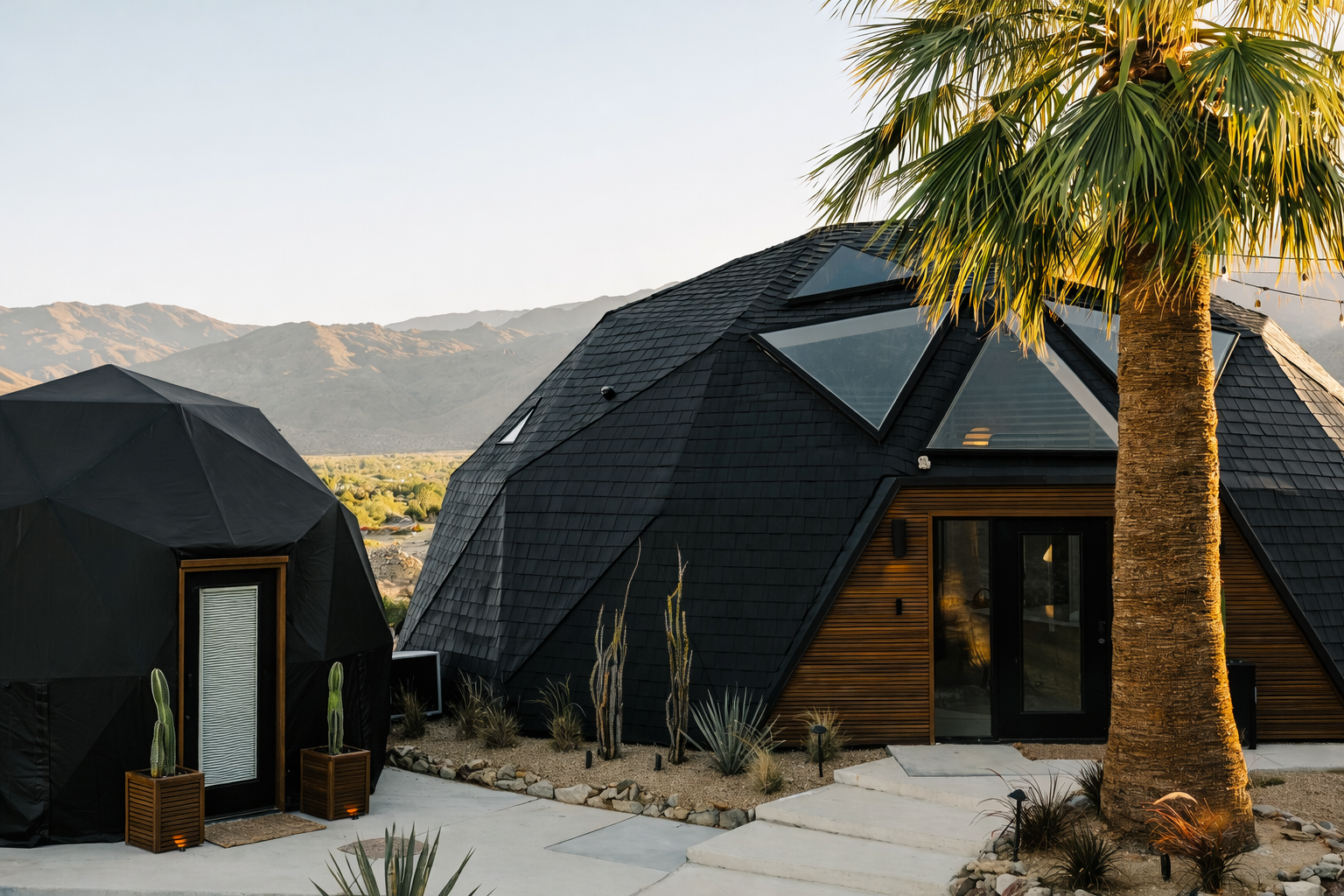
PERCH
Palm Desert, CA
An earthy, elevated desert geodesic dome designed to awaken the senses.
This working session helps designers, founders and investors make early strategic decisions about hospitality stays that improve pricing power, demand and longevity.
Enduring
Takeaways
This workshop clarifies both category positioning and design direction.
It’s about making the right commitments — early.
01
Clarify what a destination must stand for — before form, features, or capital lock in.
02
Explicitly decide what the guest experience prioritizes. And what it doesn’t.
03
Identify where differentiation is structural, not cosmetic.
04
Reduce uncertainty around the decisions that shape long-term performance.
01
Position your work as category-defining, not stylistic or trend-driven.
02
Gain a sharper sense of which design moves strengthen identity — and which dilute it.
03
Guide clients beyond guest amenities toward a deliberately choreographed guest journey.
04
Frame design decisions so they hold under client, budget, and investor pressure.
01
Define the category you’re building — so you're not competing on features or price.
02
Force hard tradeoffs early, before capital, scope and complexity compound.
03
Align identity, guest experience and revenue model into a single, reinforcing system.
04
Prevent feature creep that erodes pricing power and weakens differentiation over time.
01
Separate durable signals from market noise.
02
Understand where category definition reduces underwriting risk.
03
Identify concepts that resist price-based competition.
04
Evaluate differentiation before performance data exists.
Who’s convening
the room
The workshop is led by practitioners actively shaping destination-led hospitality projects.
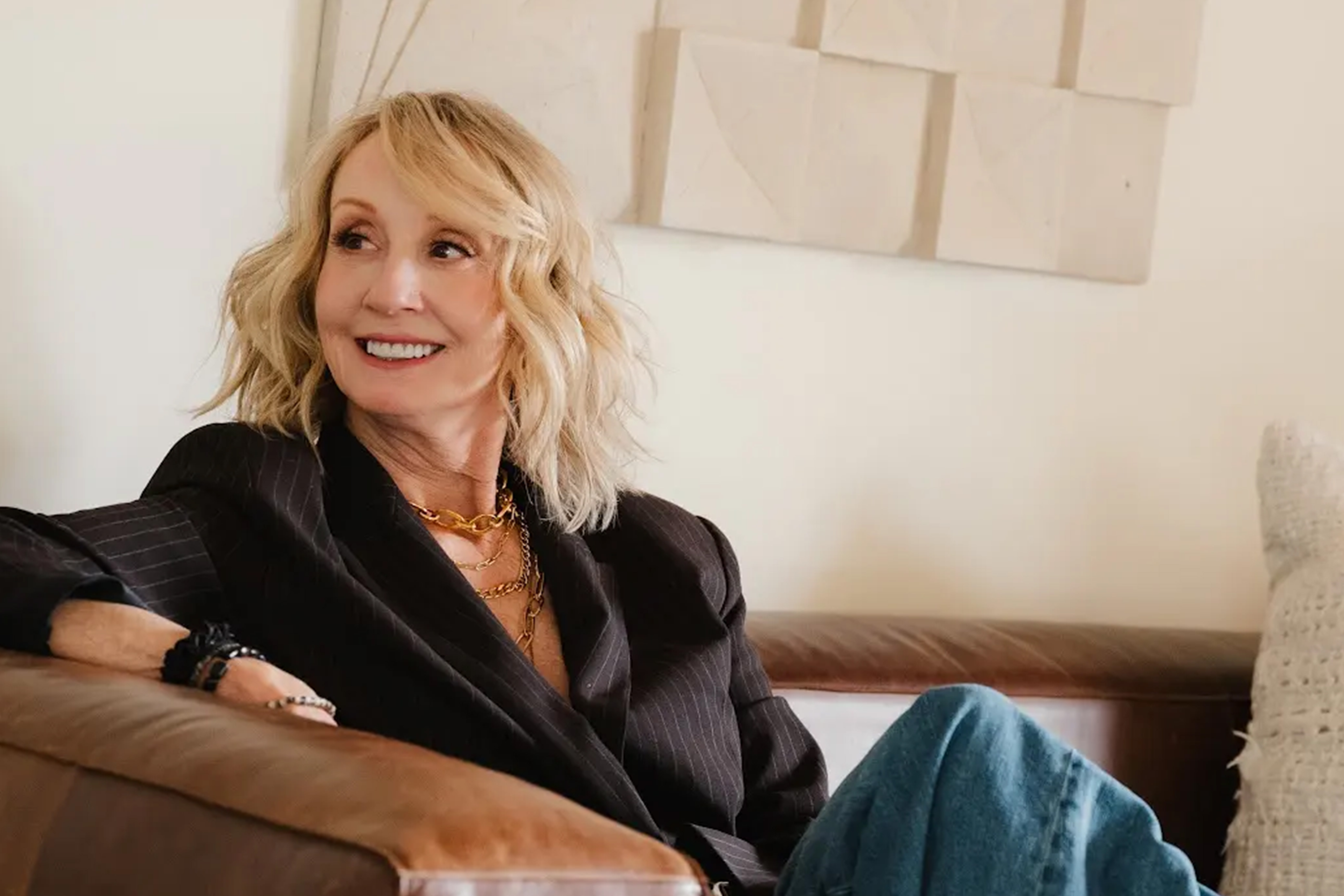
Paula Oblen
Partner & Lead Destination Design Strategist
HOTELEMENTS
Paula is an interior and experiential designer, strategist, and educator specializing in destination-led hospitality environments. As founder of Hotelements®, she pioneered Branded Destination Design—a proprietary approach that translates strategic intent into immersive guest experiences that drive differentiation and measurable Return on Design™.
For more than a decade, Paula has shaped design-forward hospitality through environments grounded in emotional intelligence, sensory design, and narrative. Her work includes high-profile collaborations and nationally recognized properties, including Casa Tierra (designed with Bobby Berk) and Perch, featured in The Wall Street Journal. Paula’s work has been recognized by Architectural Digest and Travel + Leisure, and she is a frequent speaker at leading industry forums, educating designers, investors, and operators on creating destinations that outperform and endure.

Janice Wilson
Partner & Lead Destination Design Strategist
WLSN Studio
Janice is a destination design strategist, technologist, and founder of Menizei, the first luxury forest retreat on Washington’s Olympic Peninsula featured in AFAR and Condé Nast Traveler. Drawing on a background in law, real estate development, and large-scale software systems, she applies category design and systems thinking to help designers, founders, and investors position places as category-defining assets—concepts that resist comparison and competition. Across disciplines, her work focuses on designing places that hold meaning, perform economically, and resist commodification over time.
As a Planning Commissioner in Clallam County, she evaluates land use, zoning, and development proposals, grounding her perspective in both vision and feasibility. Janice speaks regularly on destination design, category creation, and the future of hospitality for audiences shaping place-based experiences. Her work spans early feasibility, positioning, and experiential design—focused on strategic decisions that hold under operational and capital pressure.
From perception to brand expression, this framework equips designers, founders and investors to design destinations that don’t compete for market share. But create their own.
You Will
Leave With
01
A sharp understanding of how stays become category-defining assets.
02
A framework for making consequential decisions before resources are committed.
03
Greater clarity around differentiation, risk and long-term relevance.
04
A point of view you can apply across projects, roles and stages of development.
01
A clear framing that helps you articulate intent and secure a specific project.
02
Language to position your work as category-defining, not stylistic or trend-driven.
03
A clear path to strengthen how you win higher-value engagements.
04
Positioning that supports clear scope definition and confident fee-setting.
01
A practical framework for deciding what to build — and what to deliberately exclude.
02
Clarity on which experiences, amenities, and narratives actually drive differentiation.
03
A tighter decision framework for future additions, expansions or renovations.
04
A concept that is easier to pitch, communicate, operate and defend over time.
01
A clear view of whether a project is genuinely differentiated or merely well-executed.
02
A category lens for evaluating risk, comparability and long-term defensibility.
03
Language to articulate a project’s positioning to partners, operators or capital.
04
Stronger conviction about where to invest — and where to walk away.
Alignment
check
This workshop is not for you if:
You’re looking for pattern-matching, mood boards or trend forecasts.
You’re seeking validation of a concept rather than a framework to test and refine it.
You want templates to follow, not guided exercises that require strategic judgment.
You are not willing to interrogate the fundamental “why” behind a project.
You want marketing tactics rather than positioning power.
You primarily see yourself as a stylist, decorator, or implementer.
You’re looking for clearer briefs rather than sharper questions to guide the work.
You’re hesitant to challenge clients when the underlying concept isn’t strong.
You measure success by how things look rather than what they mean.
You’re not interested in how design creates business leverage.
You believe differentiation comes from amenities, not identity.
You’re only focused on near-term bookings instead of long-term positioning.
You want to optimize an existing concept rather than examine whether it’s right.
You’re not willing to say no to revenue that weakens your brand.
You see your property as inventory instead of a strategic asset.
You treat hospitality projects as interchangeable real-estate plays.
You rely primarily on comps, ADR, and occupancy to judge opportunity.
You’re not interested in category creation as a source of outsized returns.
You want certainty instead of strategic conviction.
You prefer spreadsheet comfort over narrative and positioning advantage.
Request AN
invitation
This is a private, working session held in March 2026.
For designers, operators, and investors making consequential decisions about destination-led hospitality projects.
01
02
03
04
05