
.png)

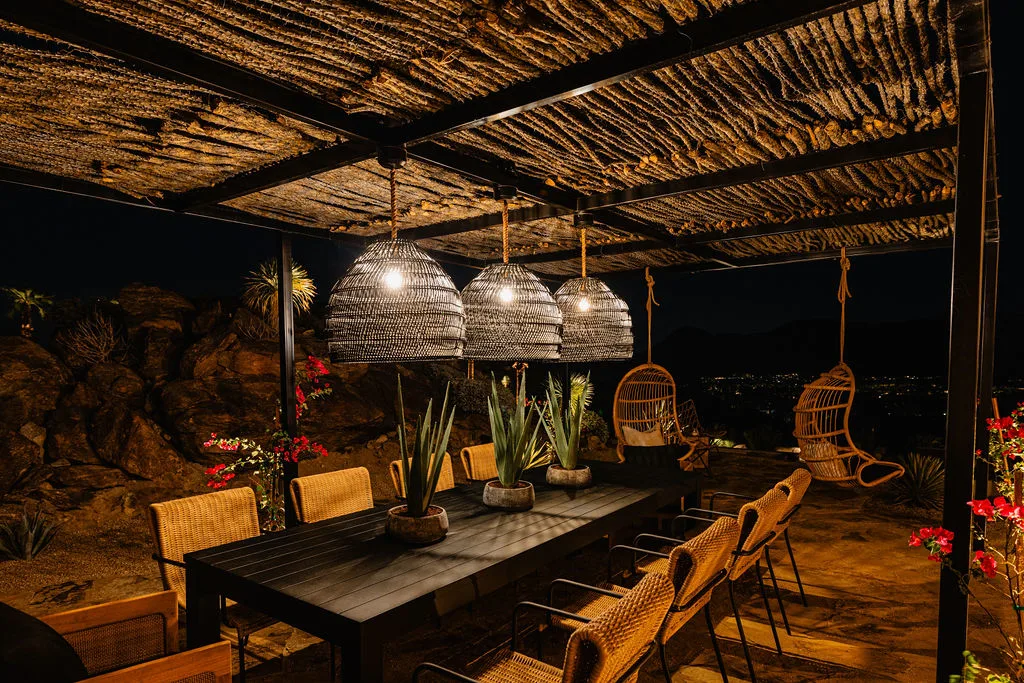
We work with hospitality leaders before positioning is set, design is locked and capital is committed. Our work moves through three stages — Assessment, Strategy and Deployment — each one building the foundation the next depends on.
The result is a destination that owns its category rather than competes within one.
ASSESSMENT

A clear view of where a destination stands—and where it risks becoming interchangeable.
We assess category, identity, translation and expression to identify where differentiation begins to erode. The work surfaces patterns of sameness, gaps in positioning and points where a concept risks becoming interchangeable. For teams seeking deeper clarity, an on-site immersion grounds these insights in the lived experience of the property.
The result is a clear view of what is holding, what is drifting and where strategic decisions will have the greatest impact.
STRATEGY
A working session for teams shaping what a destination becomes.
This multi-day, in-person engagement applies our framework in real time—defining category, identity, translation and expression before design decisions lock. Through structured exercises and live decision-making, we clarify what the destination stands for, what it rejects and how it differentiates.
The work is collaborative, rigorous and grounded in both creative and operational realities.
Teams leave with a clear foundation for everything that follows.
Defining what a destination will own before it is built.
We develop multiple category directions, each grounded in market context, guest psychology and competitive dynamics. Working with leadership, we refine and deepen a single direction into a fully articulated strategy across identity, translation and expression.
The result is a concept that is not compared. It is owned.
DEPLOYMENT
Translating strategy into decisions that drive performance.
Demand Architecture™ connects positioning to capital, experience and signal—ensuring each investment reinforces the category over time. Using a performance-based model, we define how resources are allocated and designed across moat-building elements, spatial thresholds and amenities programming. Each decision is evaluated not just for quality, but for its ability to sustain pricing power and resist imitation.
This is where positioning becomes durable—and performance compounds.
Performance-driven design aligned with demand and long-term value.
Return on Design™ evaluates how design decisions translate into real business outcomes. Through a structured system, it measures how spatial decisions, guest experience, market perception, and capital alignment work together to drive demand, strengthen pricing power, and build long-term asset value.
This is where design decisions are tested—and prove their value in the built environment.
The Intervention
A weekly prescription for where demand is being won in hospitality—and where you’re diluting it.